
Learn how to build local citations with this complete guide. Discover citation types, submission methods, local SEO benefits, and tips to keep your business information accurate and consistent.
Local citations are one of the most important parts of local SEO. They help search engines verify your business information and make it easier for customers to find you online.
Whether you own a small local business, a service company, or a multi-location brand, building citations can improve your online visibility and strengthen your local search presence. Learn what local citations are, why they matter, and how to build them step by step.
Why are citations important?
Local citation is any online business mention of your information. This usually includes your business name, address, and phone number (NAP).
Search engines confirm that your business is real and trustworthy use citations. The more accurate and consistent your citations are, the more confidence search engines have in your business data.
Citations also help customers discover your business on directory sites, maps, review platforms, and local websites.
How citations help with local SEO
Local SEO focuses on helping businesses appear in local search results. Citations play a key role in this process.
When search engines find the same business information across many trusted websites, they can verify that the information is correct. This can improve local rankings and increase visibility in map packs and local search results.
Benefits of citations for local SEO include:
- Improved local search visibility
- Stronger business trust signals
- Better search engine confidence
- Higher chances of appearing in map results
- Increased local traffic
Accurate how to build local citations also reduce confusion. If search engines find different phone numbers or addresses across the web, they may struggle to determine which information is correct.
How citations help people to discover your business
Citations do more than support SEO. Also help customers find your online business.
Many people use local directories, review sites, and industry-specific websites to search for services. A complete business listing gives potential customers important information such as:
- Business name
- Address
- Phone number
- Website
- Business hours
- Customer reviews
- Service descriptions
The more places your business appears online, the more opportunities people have to discover it.
For example, a homeowner looking for a handyman may search on a local directory instead of Google. If your listing is present and accurate, you have a better chance of gaining a new customer.
What types of citations are there?
There are two main types of citations:
- Structured citations
- Unstructured citations
Understanding both types will help you create a complete citation strategy.
Structured citations
Structured citations appear in business directories and listing websites.
These platforms use a fixed format to display business information.
Examples include:
- Business directories
- Local listing sites
- Review platforms
- Chamber of commerce websites
- Industry directories
A structured citation usually contains:
- Business name
- Address
- Phone number
- Website URL
- Business category
Because the information follows a standard format, search engines can easily understand and verify it.
Structured citations are often the first type of citation businesses build.
Unstructured citations
Unstructured citations appear within normal content instead of directory listings.
These mentions can occur in:
- Blog posts
- News articles
- Press releases
- Community websites
- Event pages
- Online magazines
For example, a local newspaper may write about your company and mention your business name and location. This is an unstructured citation.
These citations can be highly valuable because they often appear on trusted websites and may also provide backlinks.
Unstructured citations help strengthen your online authority while increasing brand exposure.
How do I build citations?
Building citations is not difficult, but it requires consistency and attention to detail.
Follow the four-step process below.
Step #1. Get listed with the ‘big three’ data aggregators
Data aggregators collect business information and distribute it across many online platforms.
Submitting your business to major data aggregators can help your information spread to numerous directories automatically.
Before submitting, prepare the following information:
- Business name
- Address
- Phone number
- Website
- Business description
- Business hours
- Logo
- Photos
Ensure every detail is accurate and matches your existing listings.
Many directories pull data from aggregators. Therefore, getting listed here can save time and improve consistency.
Always review your listings after submission to ensure the information displays correctly.
Step #2. Submit to other core sites
Local business listing covered the major data sources, the next step is to submit your business to core citation website.
These are popular directories and business listing platforms that customers frequently use.
There are two common ways to do this.
Submit manually
Manual submission gives you full control over your listings.
The process usually involves:
- Creating an account
- Claiming your business
- Adding business details
- Uploading photos
- Verifying ownership
Advantages of manual submission:
- Greater accuracy
- Better control
- Ability to optimize listings
- Easier management of updates
Although manual submissions take more time, they often produce higher-quality results.
When creating listings, use the exact same NAP information everywhere.
Use a submission and management service
Citation management services can create and update listings on multiple websites from one dashboard.
These services help businesses:
- Save time
- Manage multiple locations
- Monitor listing accuracy
- Fix duplicate listings
- Update information quickly
This option works well for larger businesses or agencies handling many clients.
However, even if you use a management service, it is still wise to periodically check your listings manually.
Step #3. Submit to popular industry and local sites
After covering core directories, focus on industry-specific and local websites.
These citations are often highly relevant and can provide strong local SEO value.
a) Use Google
Google is one of the best tools for finding citation opportunities.
Search for phrases such as:
- Your industry + directory
- Your city + business directory
- Local business listings
- Industry association directory
- Business category + directory
Review the results and identify websites where your competitors appear.
Create a list of relevant opportunities and prioritize trusted sites.
Focus on quality over quantity.
b) Use an industry citations list
Many industries have dedicated directories.
Examples include:
- Legal directories
- Medical directories
- Real estate directories
- Home service directories
- Contractor directories
- Restaurant directories
Search for citation lists specific to your niche.
Industry directories can provide valuable relevance signals because they are directly related to your services.
A listing on a respected industry website often carries more weight than a generic directory.
c) Use Ahrefs’ Link Intersect tool
Competitor research is another effective method for finding citations.
The Link Intersect tool helps identify websites that mention your competitors but not your business.
The process is simple:
- Enter competitor websites.
- Analyze shared citation sources.
- Find listing opportunities.
- Submit your business where appropriate.
This approach can uncover directories and websites you may not have discovered through regular searches.
Competitor research often reveals some of the most valuable citation opportunities available in your market.
Step #4. Unstructured citations
Structured citations are important, but unstructured citations can provide additional authority and exposure.
These citations often appear naturally within content.
Here are two effective ways to build them.
Use Google
Google can help you find websites that publish local business content.
Search for:
- Local news sites
- Community blogs
- Business resources
- Event websites
- Industry publications
Look for opportunities to contribute expert insights, sponsor events, or participate in community activities.
When your business is mentioned in articles or local content, you gain an unstructured citation.
These mentions often bring referral traffic in addition to SEO benefits.
Use HARO
HARO (Help A Reporter Out) connects journalists with expert sources.
By responding to journalist requests, business owners can earn mentions in online publications.
Benefits of HARO include:
- Media exposure
- Brand awareness
- Authority building
- Unstructured citations
- Potential backlinks
To succeed, provide helpful and detailed responses to relevant media requests.
Consistent participation can lead to mentions on trusted websites and news publications.
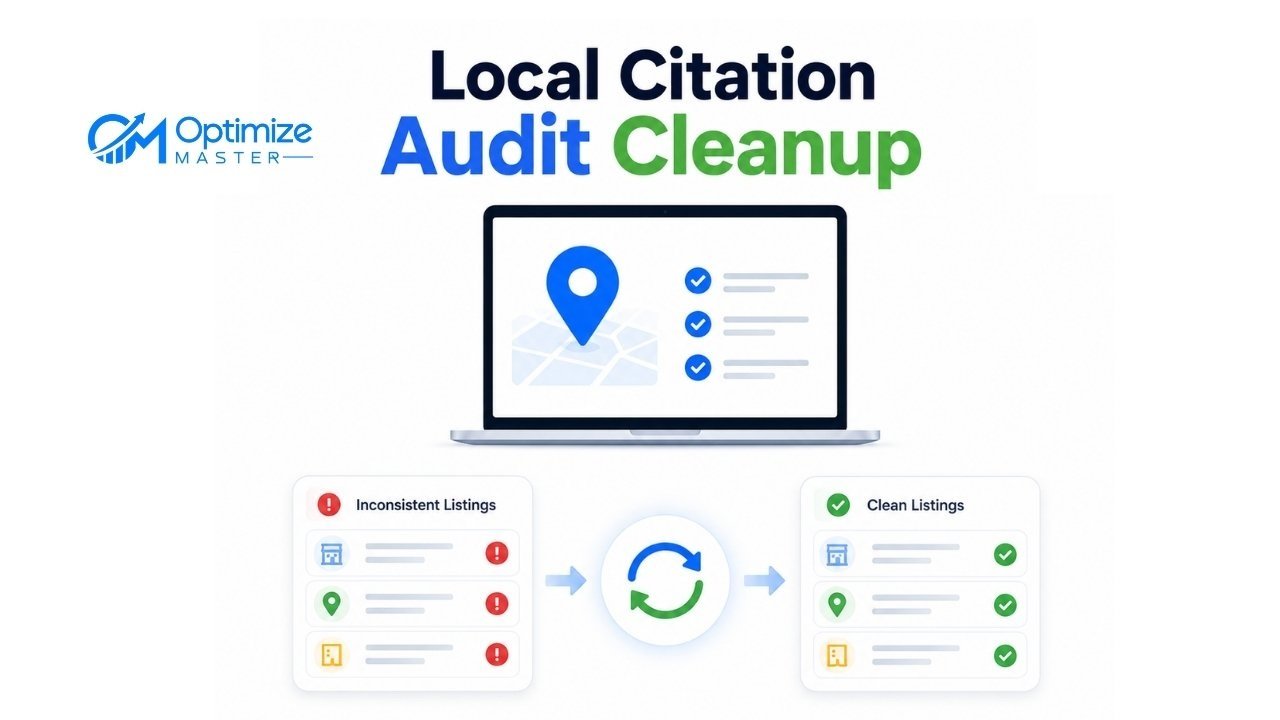
Why it’s important to keep your citations consistent and accurate
Local citations building is only part of the process. Maintaining them is equally important.
Inconsistent information can create problems for both search engines and customers.
Common citation issues include:
- Old phone numbers
- Incorrect addresses
- Duplicate listings
- Misspelled business names
- Wrong business hours
- Broken website links
These errors can hurt customer trust and weaken local SEO performance.
To maintain citation accuracy:
Audit your listings regularly
Check your listings several times each year.
Look for outdated information and make corrections immediately.
Use the same NAP everywhere
Your business name, address, and phone number should appear exactly the same on every platform.
Avoid small differences such as:
- Street vs. St.
- Suite vs. Ste.
- Different phone formats
Consistency matters.
Remove duplicates
Remove duplicate listings can confuse search engines & customers.
Claim duplicate listings and request removal when possible.
Update information promptly
If your business changes location, phone number, website, or hours, update all citations as soon as possible.
The faster you update your information, the less confusion customers will experience.
Monitor new citations
New listings may appear automatically through data providers and third-party websites.
Monitor your online presence to ensure new citations contain accurate information.
Final Thoughts
Local citations remain a core part of local SEO. They help search engines verify your business information and make it easier for customers to find you. A smaller number of well-maintained citations is often more valuable than hundreds of inaccurate listings.