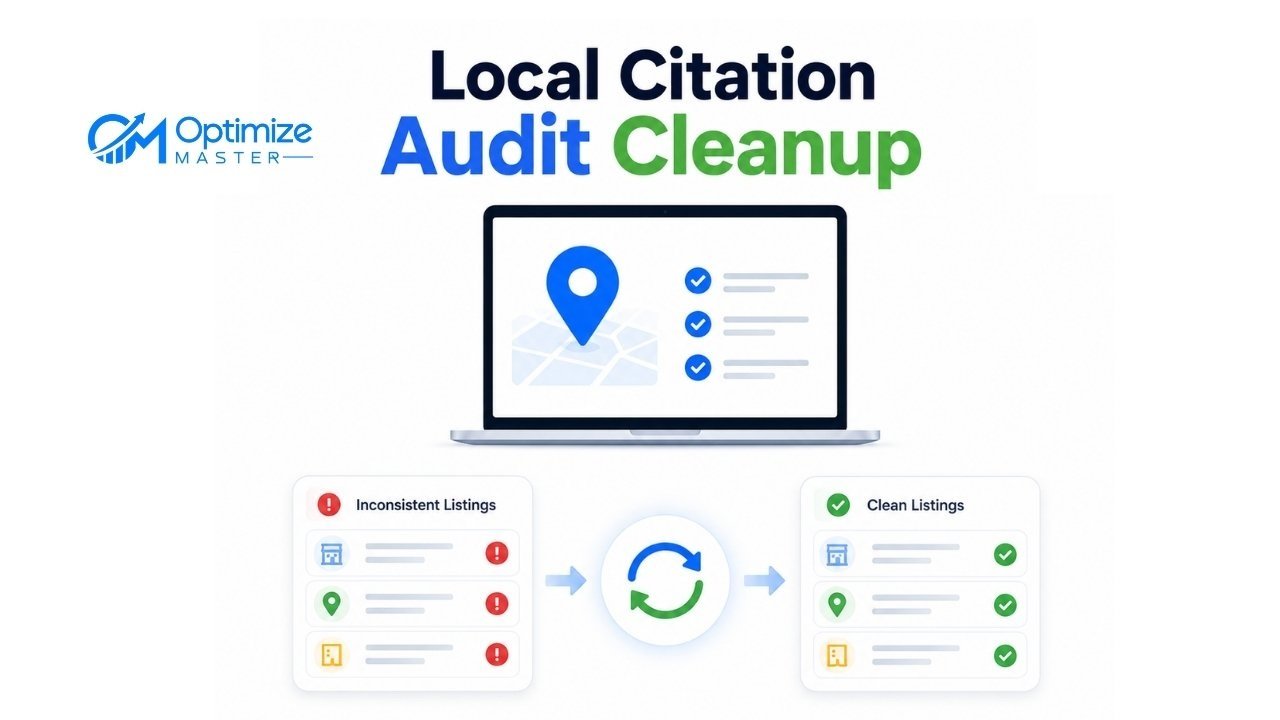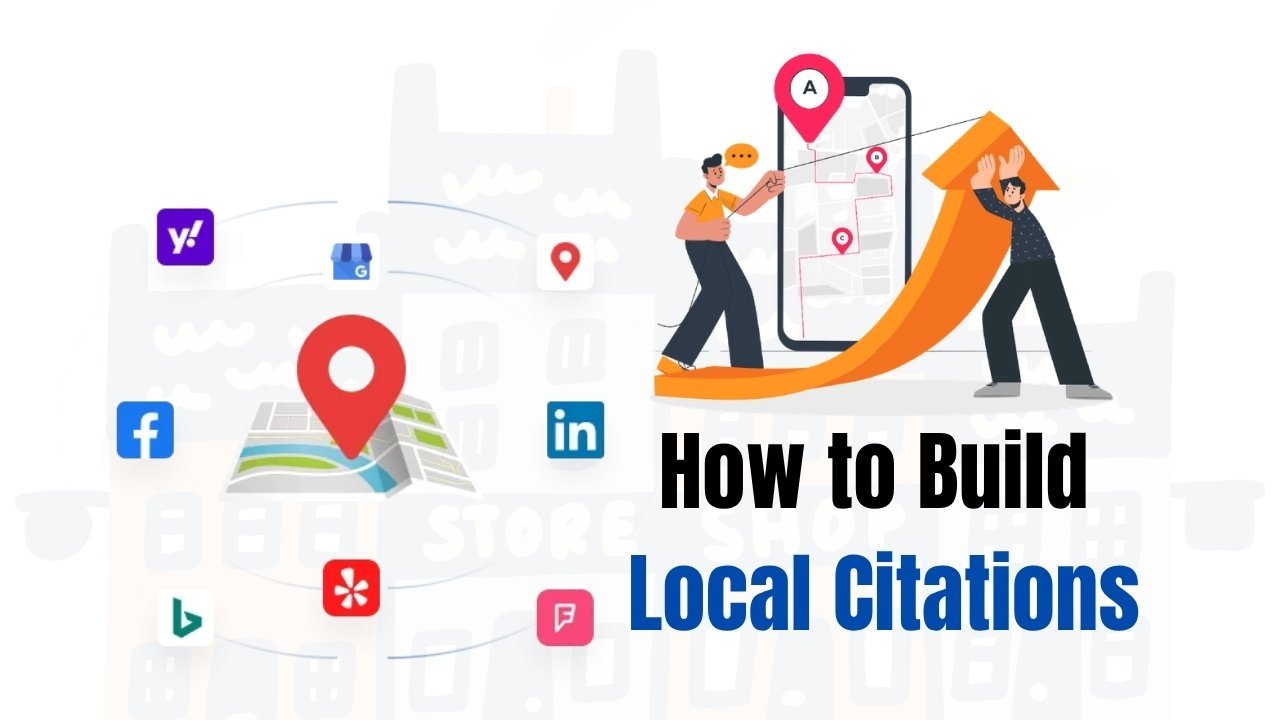

Learn how to optimize local citations, improve NAP consistency, rank higher in local SEO, and boost AI search visibility. Local SEO keeps changing. Search engines change often. AI search is growing fast. Yet local citations still matter. Many businesses spend money on backlinks and ads but ignore citations. That is a mistake.
Local SEO keeps changing. New ranking signals appear every year. AI search is growing. Google updates often. But one thing still matters for local businesses: local citations. Many businesses focus on websites, backlinks, or reviews. They forget citations. That mistake can hurt rankings. Local citations help search engines trust your business.
They help customers find you. They also improve visibility in AI tools like ChatGPT, Gemini, and Google AI Overviews. Recent SEO discussions show citations still carry strong local signals when done correctly. This guide explains how to optimize local citations in a simple way.
What Are Local Citations?
A local citation is any mention of your business online. Usually citations include:
- Business name
- Address
- Phone number
- Website URL
- Opening hours
- Service details
This is often called NAP:
N = Name
A = Address
P = Phone Number
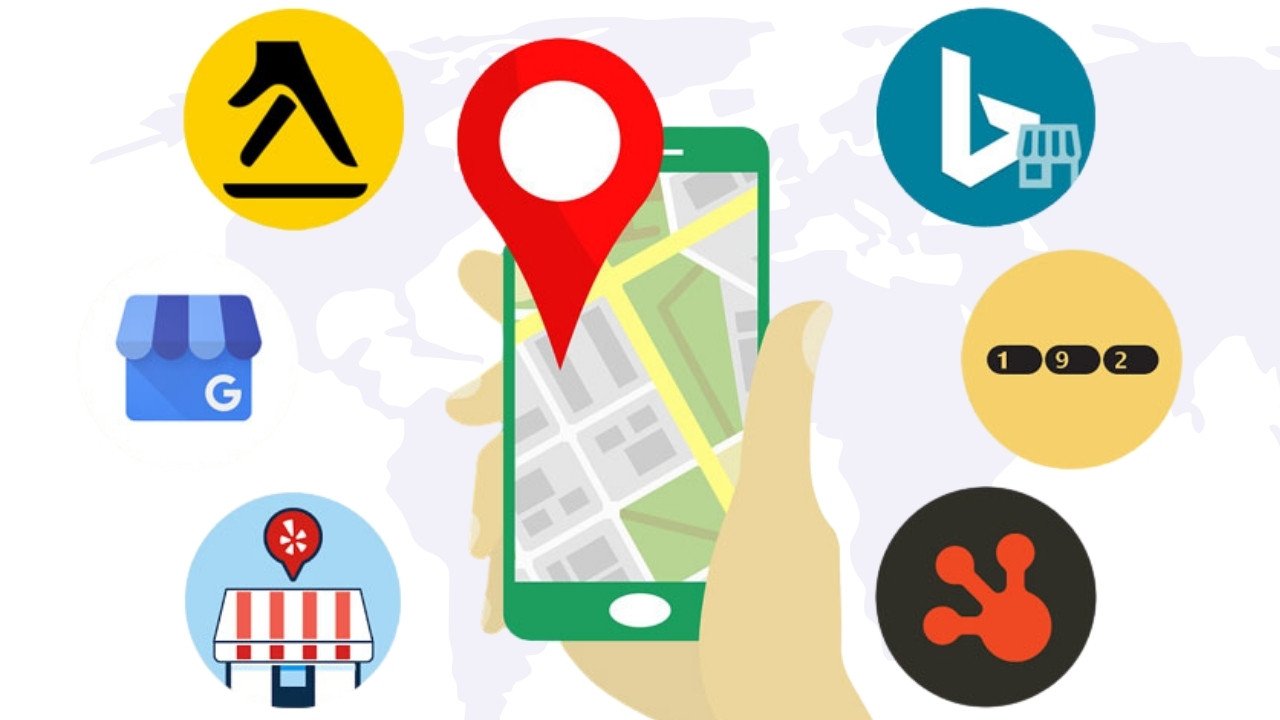
Citations appear on:
- Google Business Profile
- Apple Maps
- Bing Places
- Yelp
- Industry directories
- Chamber of Commerce websites
- Local blogs
- Business listings
Search engines compare these details across many sites. Consistency builds trust.
Why Local Citations Matter
Some marketers think citations lost value. That is not fully true. Citations still help with:
Better local rankings
Google uses citations to confirm business information.
More visibility
Your business appears where people search.
Trust signals
Consistent information makes businesses look reliable.
AI visibility
AI systems often cite directories when answering local questions.
For example:
Users ask:
“Best roofer near me”
“Best dentist in my city”
AI tools may pull answers from:
- Yelp
- Better Business Bureau
- Angi
- Industry directories
Businesses listed there gain extra exposure.
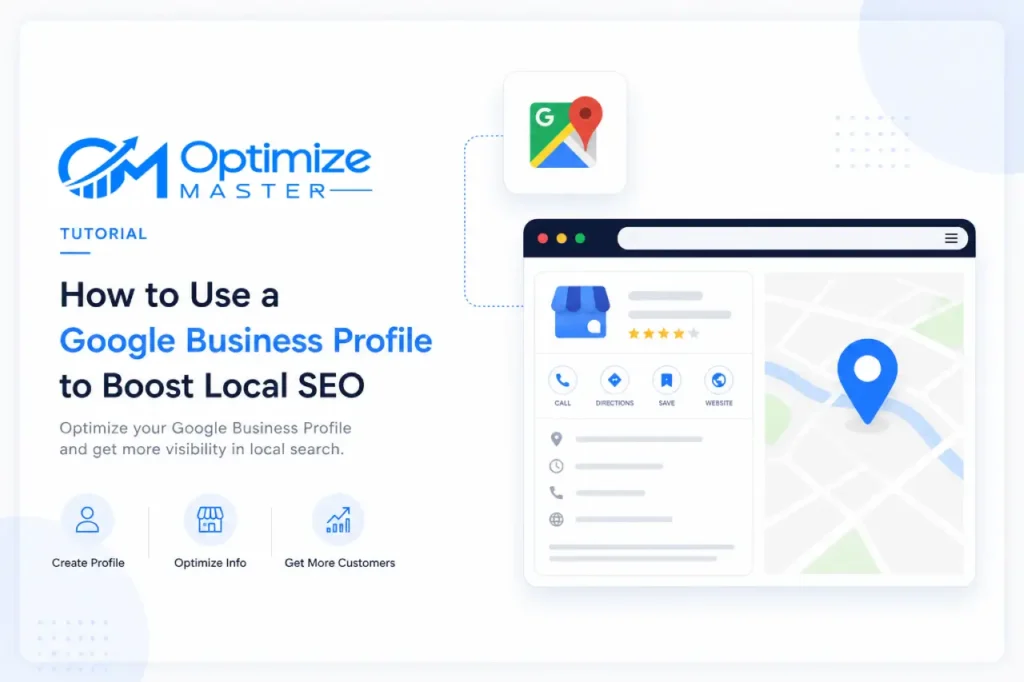
Step 1: Complete Your Google Business Profile
This should always come first.
Your profile needs:
- Correct business name
- Address
- Phone number
- Website
- Hours
- Photos
- Reviews
- Services
- Questions & answers
Incomplete profiles often rank lower. Google Business Profile remains one of the strongest local signals.
Step 2: Keep NAP Consistent Everywhere
Consistency is one of the biggest citation factors. Your information should match across:
- Website
- Yelp
- Directories
- Apple Maps
Wrong information causes confusion.
Example:
Google:
ABC Roofing
123 Main St
111-1111
Directory:
ABC Roofing LLC
125 Main St
111-2222
Those differences reduce trust. Search engines may struggle to confirm which details are correct.
Step 3: Optimize Local Business Schema
Schema helps search engines understand your business.
Add:
- Business name
- Address
- Phone number
- Opening hours
- Website
Schema works like structured data. Think of it as translation for search engines. Local schema should match citations exactly.
Step 4: Build Core Citations First
Do not rush into hundreds of listings. Start with major platforms. Important citations include:
Google Business Profile
Most important.
Apple Maps
Important for iPhone users.
Bing Places
Still valuable.
Yelp
Strong for many industries.
Adds trust.
Yellow Pages
Traditional but still useful.
Foursquare
Useful in many local ecosystems. Focus on quality before quantity.
Step 5: Create Industry-Specific Citations
Industry directories often matter more than general directories. Industry directories matter a lot.
Examples:
Legal
- Avvo
- Justia
- Super Lawyers
Healthcare
- HealthGrades
- ZocDoc
Home services
- Angi
- Thumbtack
Hospitality
- TripAdvisor
Industry citations improve topical authority.
Step 6: Find Competitor Citation Opportunities
Competitors already show what works.
Look at:
- Competitor citations
- Competitor listings
- Competitor directories
Tools:
- Semrush
- Ahrefs
- BrightLocal
You may discover citation opportunities your competitors use.
Step 7: Use Data Aggregators
Data aggregators spread business information to many sites. Examples vary by country.
Benefits:
- Saves time
- Improves consistency
- Expands reach
Instead of creating listings one by one, aggregators distribute information widely.
Step 8: How to Build Citations Around Important Service Pages
Most people point everything to the homepage. But there is another strategy. Relevant citations can support top-level service pages.
Example:
Business offers:
- SEO
- PPC
- Web design
Relevant citations may point to matching service pages while keeping NAP stable. URL and descriptions change. Core business identity stays consistent. This helps strengthen service relevance.
Step 9: Update Citation Descriptions Carefully
Business descriptions should match services.
Bad:
“We help businesses.”
Better:
“Roof replacement, emergency roofing, gutter repair in Dallas.”
Descriptions add topical signals. Those signals help search engines understand services.
Step 10: Encourage Reviews
Reviews influence:
- Trust
- CTR
- Rankings
- Conversions
Ask customers for reviews on:
- Yelp
- Industry platforms
Reviews often support stronger local performance.
Step 11: Remove Duplicate Listings
Duplicate citations create problems. Issues:
- Confusing NAP
- Weak trust
- Ranking instability
Audit listings every few months. Remove duplicates quickly.
Step 12: Build Local Authority Citations
Think beyond directories.
Helpful sources:
- Chamber of Commerce
- Local sponsorships
- Newspapers
- Community events
- Nonprofits
- Associations
These strengthen local relevance.
Step 13: Target “Best Of” Lists for AI SEO
AI search often cites recommendation pages.
Examples:
Best plumbers in Miami
Best SEO agencies in Chicago
Appearing on these pages may help AI visibility.
Search:
“Best [service] in [city]”
Check what directories appear repeatedly.
Common Citation Mistakes
Avoid:
- Different phone numbers
- Wrong addresses
- Spam citations
- Thousands of low-quality listings
- Duplicate directories
- Ignoring updates
Quality beats volume.
How Often Should You Audit Citations?
Good rule: Every 3 months. Check:
- Address
- Hours
- Phone
- Website
- Reviews
- Duplicate listings
Frequent audits reduce problems.
Final Thoughts
Local citations are still important. Maybe more important now because AI search relies on trusted sources.
Strong citations improve:
- Local rankings
- Brand trust
- Service relevance
- Google Maps visibility
- AI visibility
- Customer confidence
The goal is simple:
Keep information accurate. Focus on quality. Build relevant citations. Stay consistent. Businesses doing this well often outperform competitors who ignore citations altogether.
Frequently Asked Questions
Do local citations still matter in 2026?
Yes. They remain useful for local rankings, trust signals, and AI search visibility.
How many citations does a business need?
There is no fixed number. Start with core citations and industry directories before expanding.
Are paid citations worth it?
Some niche or geo-specific directories can help. Relevance matters more than quantity.
What is more important: citations or reviews?
Both matter. Reviews build trust. Citations improve consistency and visibility.
Can citations help AI SEO?
Yes. AI systems sometimes cite directories and business listings when generating local recommendations.